



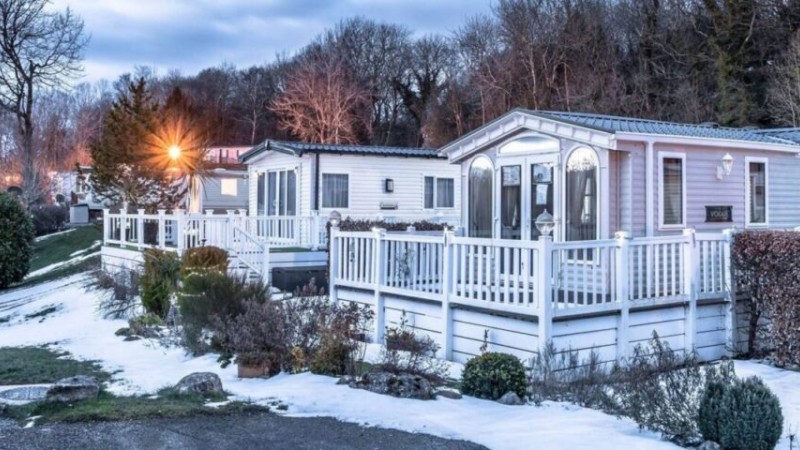
Winter-ready static: boilers, radiators, antifreeze and frost-proof fixes
Cold snap incoming? Perfect. A quick weekend now can save a cracked pipe and a shivery first trip. Think fast wins, clear checks, and simple parts you can fit in an hour. One kettle, one key, one hour, job done.
This guide covers the essentials for static caravans in the UK: non-toxic antifreeze for heating systems, bleeding radiators, TRVs, thermostat checks, room-sealed LPG water heaters, LPG safety, roof vents and seals, and a safe service rhythm. You will also get a simple drain-down routine for winter breaks plus a weekend plan with a parts list.
Quick safety first
All gas work must be done by a Gas Safe registered engineer.
If you smell gas, turn the LPG off at the bottles, ventilate, and call a professional.
Check carbon monoxide alarms and smoke alarms before heating.
Boiler and hot water check, the smart way
Static caravans typically use an LPG combi boiler or an LPG room-sealed water heater. Before frost sets in:
Fire the boiler or water heater and check ignition, flame stability, and hot water temperature.
Confirm flue termination is clear, correctly fixed, and not blocked by leaves.
Look for error lights or fault codes and note them for your engineer.
Inspect LPG hoses and regulators for cracks, stiffness, and perishing. If in doubt, turn off supply and book a check.
If you are replacing or upgrading a water heater, a room-sealed LPG model improves safety by drawing air from outside and exhausting outside. Compatibility varies by model and flue route, so match to your caravan layout and always use a Gas Safe engineer for installation.
Non-toxic antifreeze for heating systems
Radiator-based systems in statics hate frost. Use a caravan-safe, non-toxic antifreeze with corrosion inhibitors. Top tips:
Check system pressure cold. If low, follow your boiler instructions to top up.
Add non-toxic antifreeze through the system dose point or via a radiator using a filling kit, then circulate by running the heating.
Label the system with the type and date. Recheck concentration each autumn.
Radiators: bleed, balance, and banish cold spots
Air pockets waste gas and comfort. Grab a radiator key and a towel:
Switch heating on, note cold tops or gurgling.
Switch off. Starting with the radiator furthest from the boiler, fit the key on the bleed screw, crack it half a turn until air hisses, then close when a steady bead of water appears.
Repeat toward the boiler, then recheck system pressure and top up if needed.
Fit or free up TRVs (thermostatic radiator valves) to set room-by-room temps. Keep bedrooms cooler and living spaces cosier, and do not cover or box-in TRVs.
A towel radiator can double as a handy dryer and quick heat source in the bathroom. If yours is tired or you want a compact upgrade, browse towel radiators and valves sized for static caravans.
Thermostats and energy-saving wins
Test your main room thermostat. Nudge it a degree or two and check the boiler kicks in, then backs off.
Set living areas to 19 to 20 C, bedrooms to 17 to 18 C.
Close curtains at dusk, tuck thicker curtains behind radiators, and move furniture off radiator faces.
Fresh window and door seals slash draughts and help the boiler cycle less. If yours are crumbling or gappy, replace the seals and lightly warm-seal with a caravan-safe sealant where appropriate.
Fit mesh floor vent covers sized for your vents to cut leaf and pest ingress while preserving airflow. Avoid blocking required ventilation for gas appliances.
Roof vents, skylights, and draught control
Static caravans need airflow, but not howling draughts. Check:
Roof vents and skylights open and close smoothly. Renew brittle seals so rain stays out but air still moves.
Extractor fan grills are dust-free for proper pull.
Window seals compress evenly. If the latch is tight on one corner and loose on the other, the seal is likely tired.
Browse caravan window seals and a caravan-safe sealant such as seamseal for tidy perimeter fixes and small leak chases.
LPG safety and servicing cadence
Annual service by a Gas Safe engineer is the gold standard for boilers, heaters, and gas fires. So, how often should your caravan boiler be serviced? Yearly is the usual recommendation, and always before heavy winter use.
Ventilation paths and flues must remain unobstructed. Never cover a room-sealed appliance’s air intake or terminal.
If you have an older open-flued unit, book a safety check as a priority or discuss upgrading to a room-sealed LPG water heater.
Simple drain-down for winter breaks
Away for a week or more in freezing weather? A quick drain-down reduces burst risk:
Turn off the water supply.
Open all taps and mixers to mid-position; leave open.
Flush toilets and sponge out cisterns and pans.
Run the shower until it stops. Remove the shower handset and drain it.
If your system has drain points, open them and catch water neatly. Blow through with compressed air.
Pour a little non-toxic antifreeze into traps (sinks, shower) to protect the U-bends.
Close up in reverse order when you return, then run taps to clear air before relighting appliances.
Your one-weekend winter kit
Pack these and you are set:
Radiator key and towels
TRV heads or replacements
Non-toxic antifreeze and a filling kit
Towel radiator valves or a compact towel radiator if upgrading
Window and door seals, plus caravan-safe sealant
Mesh floor vent covers
Axle stands for safe maintenance and levelling checks
A basic tool kit, torch, CO alarm batteries
Common problems and fast fixes
Gurgling radiators, cold tops: bleed and balance.
Boiler locks out in wind: check flue terminal, book a service, consider a room-sealed upgrade.
Draughty windows and doors: renew seals, spot-seal frames, realign keeps.
Intermittent hot water: tired LPG water heater or mixer valve issues, arrange a check and consider a modern room-sealed unit.
Condensation on cold mornings: run extractor fans, keep vents clear, and add a dehumidifier for off-days.
FAQ
How often should a caravan boiler be serviced?
Annually, ideally before winter. Book a Gas Safe registered engineer.
What is the best way to site a static caravan?
On firm, level ground using appropriate supports or axle stands, spaced to the manufacturer’s guidance. Level doors, windows, and floors so frames do not twist. Secure and recheck after settling.
What are common problems with static caravans?
Draughty seals, gurgling radiators, low system pressure, ageing LPG hoses or regulators, blocked roof vents, and tired mixer valves. Regular checks prevent most issues.
Can you screw into caravan walls?
Only with care. Walls are thin sandwich panels with services routed behind. Use the correct fasteners, pre-drill pilot holes, and a stud or service detector. For heavy loads, fix to known studs or use purpose-made anchors.
Wrap-up
Winter readiness does not need a full toolbox. Bleed the radiators, test the thermostat, dose non-toxic antifreeze, check the LPG setup, refresh seals, and protect vents. Book your annual Gas Safe service, then relax. One kettle, one key, one hour, job done.
Compatible with most UK static caravans using LPG systems. Gas work must be carried out by a Gas Safe registered engineer.